From the October 2026 issue of Apollo.
Art Basel Paris is the smallest fair in the Art Basel roster, but it still dominates the French capital. This month more than 200 exhibitors of modern and contemporary art are gathering in the Grand Palais once again. And there’s no sign of slowing: more than 30 new galleries are joining for this edition, its fifth, and presentations are extending outside the venue into the nearby Jardin de la Nouvelle France and beyond.
The fair connects the ‘extraordinary local ecosystem’ of Parisian culture with the international art market, says Karim Crippa, the new director of the fair, marrying ‘established artistic figures and emerging voices’ – those unexpected pleasures that can often be the best thing about going to an art fair.
Art Basel Paris takes place at the Grand Palais from 23–25 October.
Apollo’s highlights
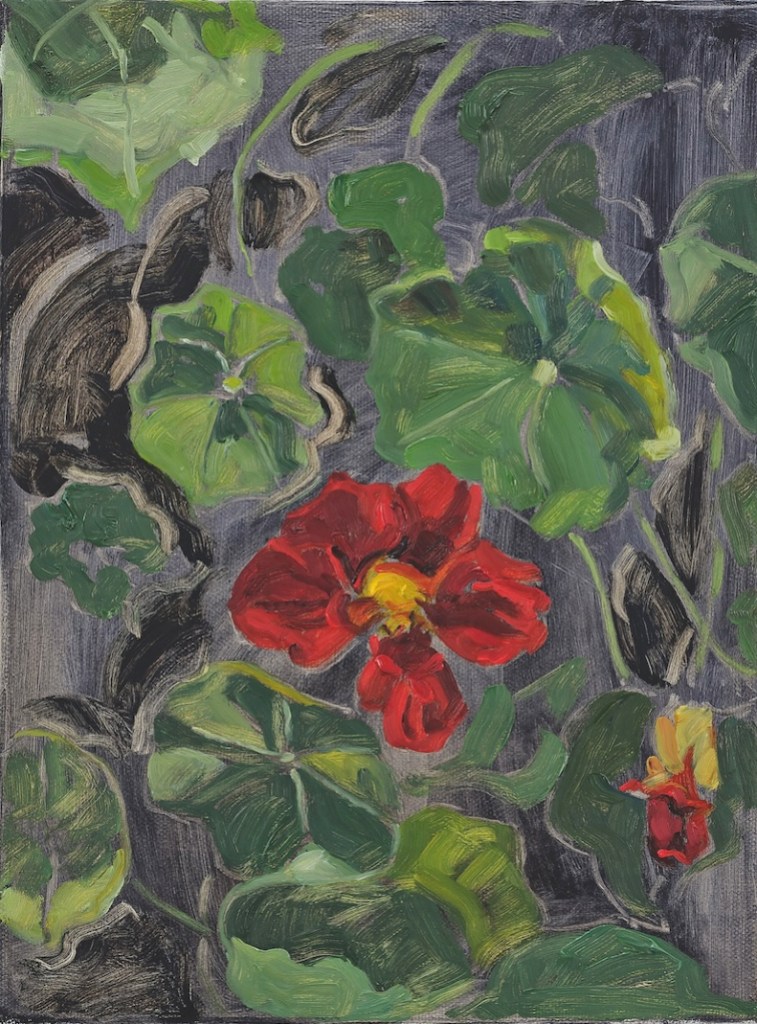
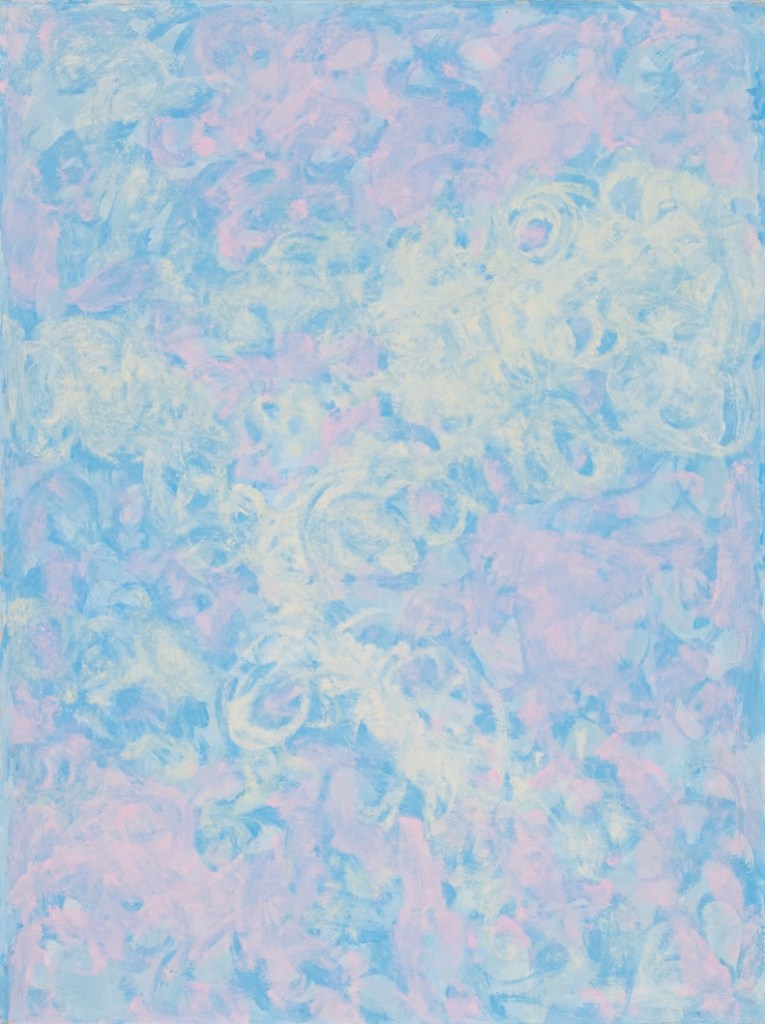
Midnight Nasturtium, 2026, Jordan Casteel
Thaddaeus Ropac, London, Paris, Salzburg, Milan, Seoul
Alongside works by modern titans such as Roy Lichtenstein and Alex Katz, Thaddaeus Ropac is bringing this enigmatic floral painting by the young American artist Jordan Casteel. Her first exhibition in Paris, at Ropac’s gallery in Le Marais, runs at the same time as the fair.
Composition in Blue, 1960, Beauford Delaney
Michael Rosenfeld Gallery, New York
Delaney is best known for figurative work made during the Harlem Renaissance, but in later years he ventured into Abstract Expressionism and produced paintings such as this, on show with Michael Rosenfeld. Look out, too, for a joint presentation by Rosenfeld and Jeffrey Deitch of art by Delaney and the Bronx-based painter Alteronce Gumby.
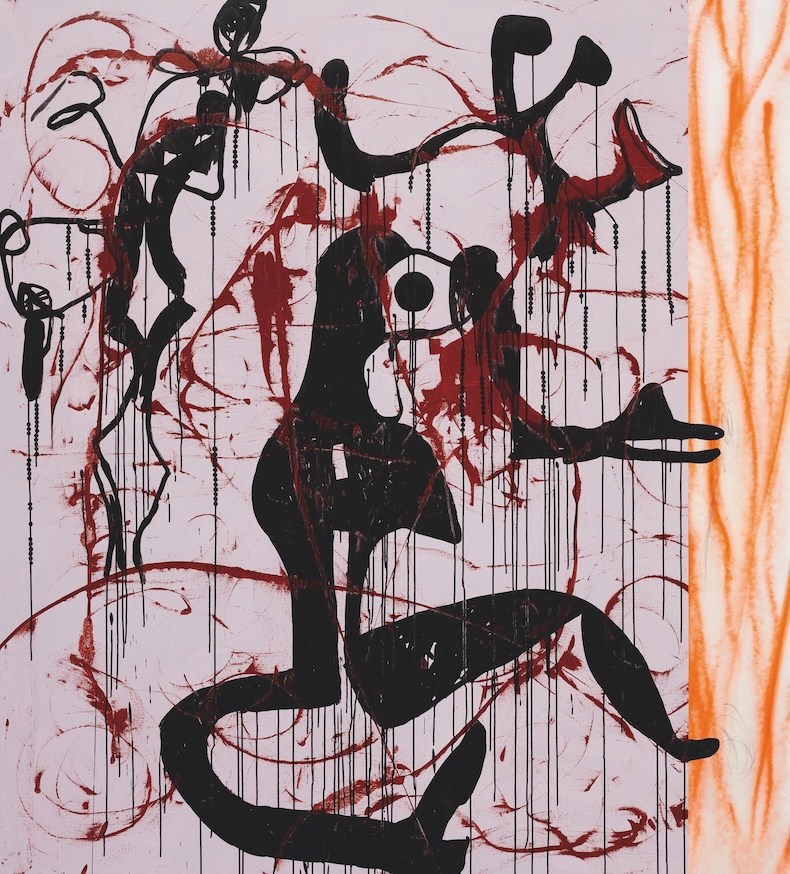
Tradekraft, 2025, Charline von Heyl
Xavier Hufkens, Brussels
This huge piece by the German-born, US-based painter Charline von Heyl will surely make passersby stop at Xavier Hufkens’s stand. Painted on a linen sheet more than two metres high, the work shows the artist’s penchant for blending the figurative and the abstract,as vaguely human- and plant-like forms emerge amid the masses of black and red and the heavy concentration of drips.
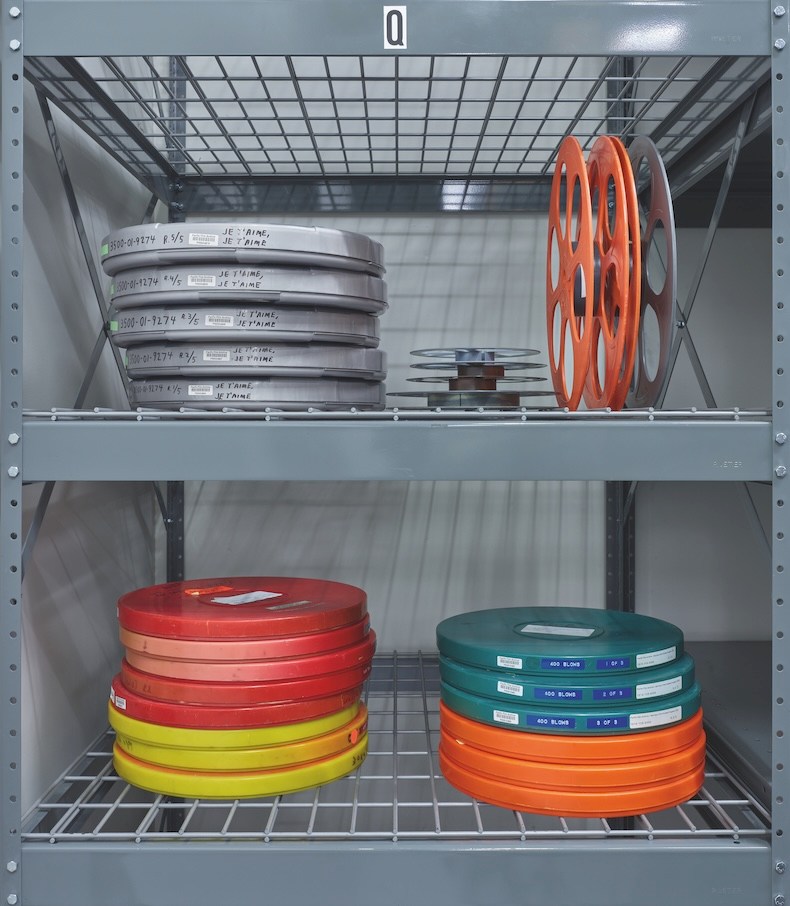
Je T’aime, Je T’aime, The 400 Blows, 2026, Catherine Wagner
Jessica Silverman, San Francisco
Much of Wagner’s photography explores built environments, whether classrooms or genetics laboratories. In recent years she has taken photographs of the Berkeley Art Museum and Pacific Film Archive: what in isolation look like prosaic images of old shelving, film reels and camera equipment take on a strangely poetic quality when seen as a series.
Gallery highlights
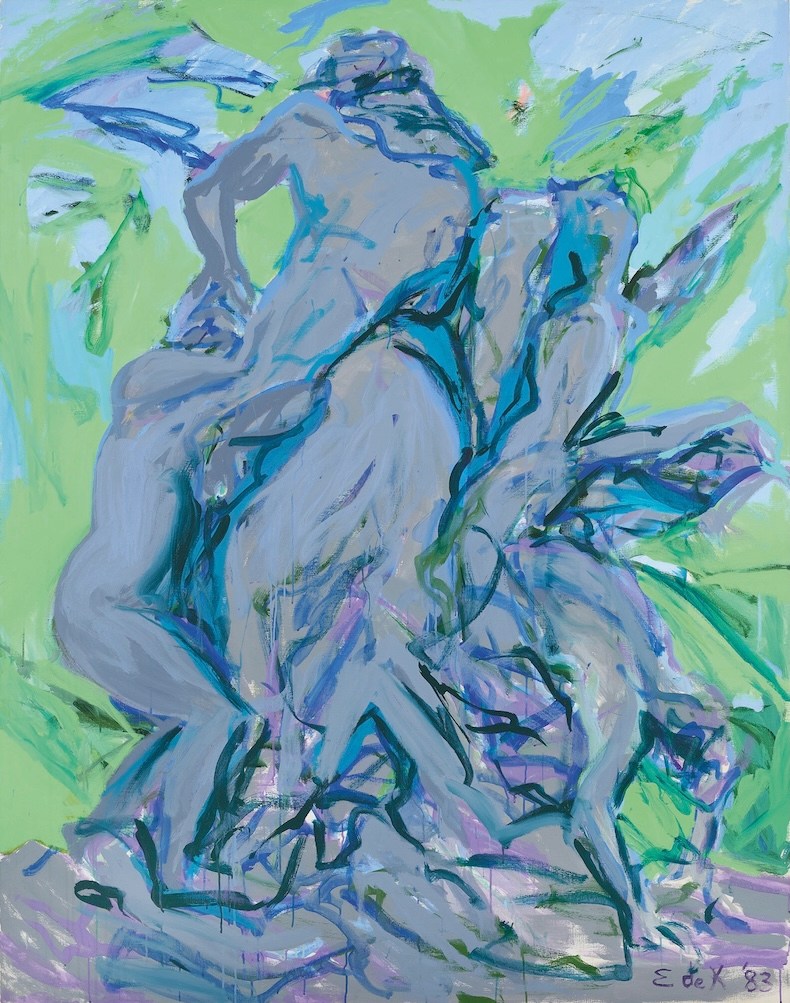
Elaine de Kooning
29 October–19 December
Berry Campbell, New York
De Kooning was, alongside Joan Mitchell, Helen Frankenthaler and several others, one of the ‘Ninth Street Women’ who helped cement the reputation of Abstract Expressionism in mid-century New York. Although she spent a long time in the shadow of her husband, Willem, Elaine has had a revival in recent years. This show features portraits she made of family and friends such as Alex Katz; abstract canvases; and works made in 1962 while she was working on a commission for an official portrait of John F. Kennedy.
Bedtime Stories
14–28 October
Charles Ede, London
For ‘Bedtime Stories’, the designer Ellie Peugeot and the curator Valerio Polimeno have been invited to take over Charles Ede’s Mayfair gallery for a high-concept exhibition. The show takes place inside the ‘house’ of an imagined collector: visitors will walk through a dressing room and bedroom and end in the library – set up as a cabinet of curiosities – encountering 50 works of art in the process, ranging from antiquities to modern furniture and a painting by Tracey Emin.
Beyond the Visible: Symbolism and its Legacies
5 October–6 November
Stuart Lochhead Sculpture, London
The Symbolists were big on bleakness: the skeletal Mask of Death (c. 1903–04) by Jules Desbois is just one of the morbid artefacts on show here, while the exhibition’s centrepiece is a rare patinated plaster cast of the Romantic sculptor Auguste Préault’s Silence (1848), a chilling roundel that the artist created for the tomb of a man named Jacob Roblès at Père-Lachaise in Paris. This exhibition does not settle on a single definition of Symbolism but, through a display of sculpture produced in Belgium and France in the second half of the 19th century, explores how artists tried to give voice to a mystic, often unseen quality of life (or death) – and looks at the effect they had on later artists.
Lee Krasner: Works from the 1960s
19 October–18 December
Gagosian, Paris
The first exhibition in France dedicated solely to Lee Krasner’s work is focused on the 1960s, a decade characterised by increasing freedom and painterly experimentation, beginning with her Umber and Primary series, in which she severely restricted her colour palettes, and ending with her experiments in gouache. Her work tended to become larger as time went on, and the monumental painting Comet (1966–70), more than two metres wide, is one of the standout works here.
From the October 2026 issue of Apollo.